
October 14, 2025
Relentlessly Relevant
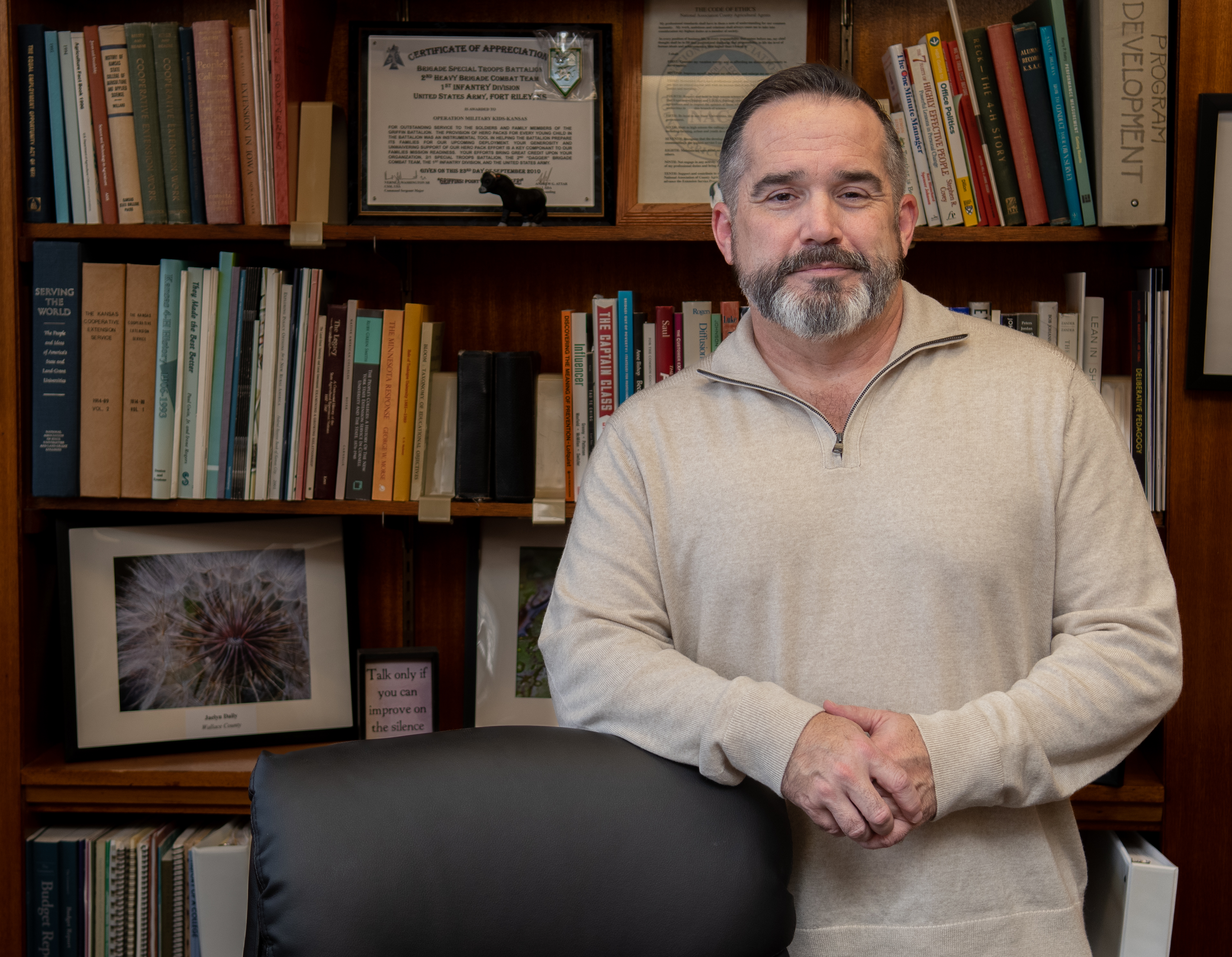
Several members of the Extension Administration Team went to the North Central Cooperative Extension Association (NCCEA) conference last week. The NCCEA is the regional organization for twelve Cooperative Extension systems.
We were joined by Cooperative Extension leaders from Iowa State University, Michigan State University, North Dakota State University, Purdue University, South Dakota State University, The Ohio State University, University of Illinois, University of Minnesota, University of Missouri, University of Nebraska and University of Wisconsin.
One of the presenters at the conference was Ben Steffen. Ben is from Nebraska and is one of the members of Nebraska’s Council of Agricultural Research, Extension and Teaching (CARET). CARET members perform duties similar to our State Extension Advisory Council, but they advocate for all three of the land grant university mission areas, instead of just focusing on extension. CARET is a national organization. Kansas State University has three CARET members.
Ben’s presentation outlined how CARET represents Cooperative Extension and the land grant university system. At one point, he was asked how extension professionals could better support CARET’s advocacy work. He thought for a brief moment, and he passionately stated: “I need for you to be relentlessly relevant.”
I thought, “Mic Drop!”
Ben proceeded to encourage us to be passionate about addressing the needs of the people, farms, businesses and organizations of our local communities. If we passionately address the local needs of the people and the communities we serve, we will become relentlessly relevant, and advocacy at the local, state and federal levels becomes easy.
I will be writing about how we can become even more relentlessly relevant over the next few months. Nevertheless, Ben stated that the critical first step in becoming relentlessly relevant by addressing needs is that you have to actively listen to the people you serve to discover their needs. Don’t assume you know their needs – even if you have been educating and servicing them for a long time.
Listening to your people and communities can take many forms. Listen to what people are talking about in the coffee shop, at the high school games, and in community organization meetings. Ask them to participate in listening sessions. Actively engage your advisory councils. Do your formal needs analysis. But, no matter what, look for opportunities to listen.
Join me in making Kansas State University Extension even more relentlessly relevant. Let’s listen more than we ever have before!